Quality
Quality assurance system
As global efforts to achieve carbon neutrality accelerate, customer needs for lower torque to reduce energy loss, extended product life, and lighter-weight products are increasing more and more.
To ensure customer satisfaction, it is essential to respond flexibly to their requirements, and build trusting relationships. We strive to maintain and improve product quality globally in accordance with our Quality Policy, which serves as the basic philosophy for all of our “monozukuri” (manufacturing) activities, in order to create quality that satisfies our customers.
Quality Policy
Pursuing right quality to meet functions and specifications requested by our customers.
-
Applicable quality
Our quality should immediately respond to the change of our customers’ requirements. -
Competitive quality
We have to win quality competition. -
Quality for economy
Quality should benefit our company.
Quality Management Policy
The Quality Management Policy, comprising quality targets and measures for achieving these targets, is established every fiscal year under the direction of top management and communicated to the entire company. Based on the results of quality performance, such as claims and failure costs from the previous fiscal year, we plan measures for the current fiscal year and reflect them in this policy. In addition, each business site establishes an action plan based on this Quality Management Policy and monitors the progress of activities toward the established quality targets on a monthly basis.
The Quality Management Policy for FY2025 describes the following main measures: “Reaffirmation of the importance of change point management and its implementation,” “Standardization and horizontal deployment of effective recurrence prevention measures for claims,” and “Developing human resources with strong quality skills”. By promoting each measure under the quality slogan “Quality is our future,” we aim to build quality that is trusted by our customers.
■Quality slogan

Quality management system
Organization
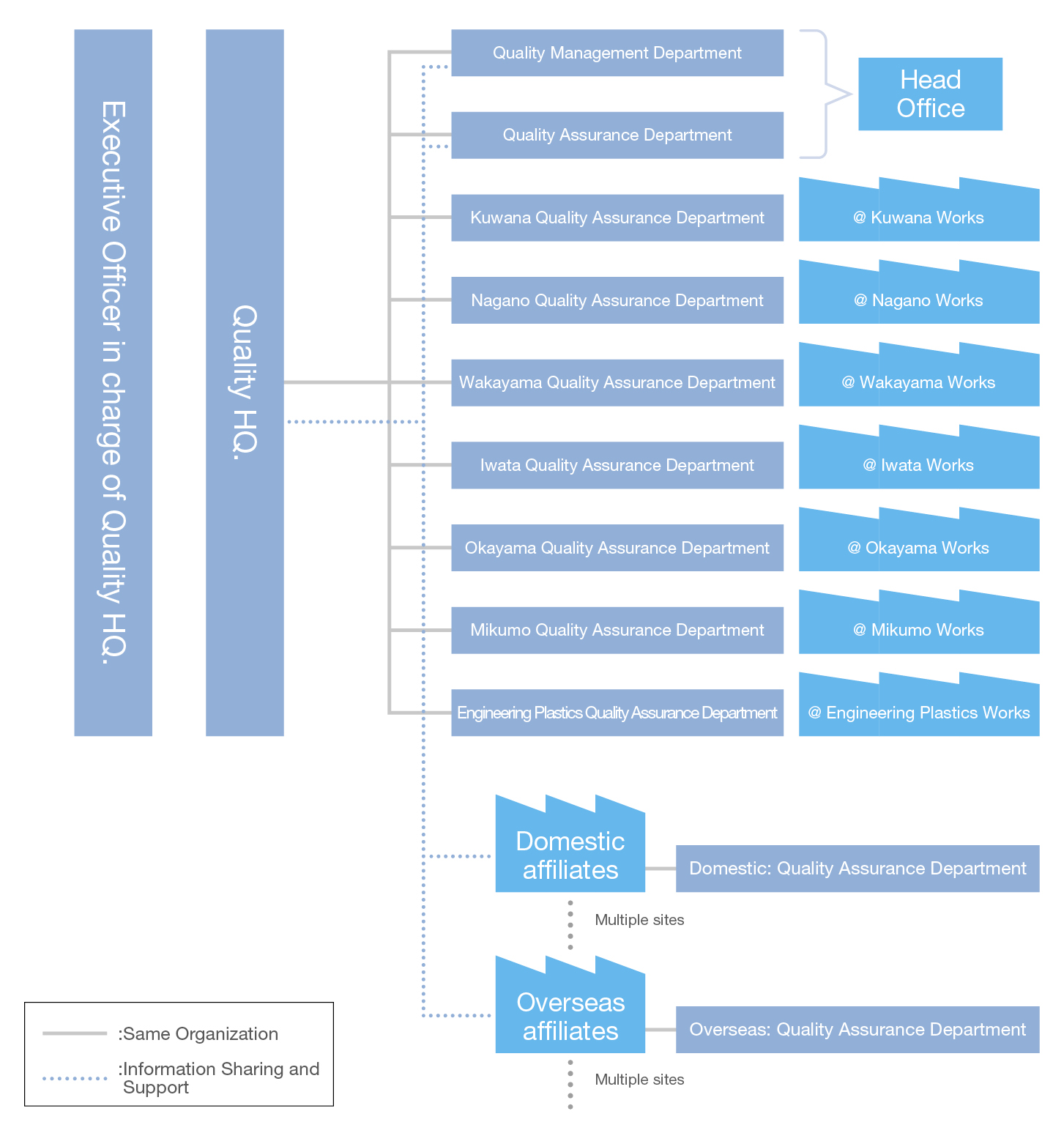
Since FY2024, we have been working on integrating the structure of our quality organizations to strengthen our quality assurance system (refer to the figure below).
The Quality Headquarters now directly supervises and oversees the Quality Assurance Departments of each Works, promoting the monitoring and management of quality issues and their control systems, strengthen the promotion of standardization, and develop quality specialists.
■Organization chart
ISO9001/IATF16949 certification status
In order to improve customer satisfaction and provide consistent products and services, the Group’s domestic and overseas manufacturing sites have acquired ISO9001 certification, which is an international management system standard. New businesses and newly established production plants worked on acquiring certifications and we have now achieved a 100% certification acquisition rate for our quality management system, including domestic and overseas consolidated subsidiaries engaged in manufacturing.
We have also acquired IATF16949 certification, a standard for the automotive industry, and JIS Q 9100 and Nadcap, standards for the aerospace industry, as well as CRCC (China) certification for the railway industry.
Efforts to improve quality
Ensuring stable quality
When implementing new developments and process changes, risk assessment is performed using a risk analysis sheet to strengthen control. Risk assessment involves a cross-functional approach, with each department participating in the verification and evaluation from its respective perspective to identify and prevent quality risks at an early stage. This ensures that reliable quality is built into the manufacturing process and helps to secure stable quality.
We also review the risk of potential quality issues and assess the effectiveness of preventive measures by promoting quality audits at manufacturing sites (including suppliers), globally deploying check sheets that summarize the key points of quality control, and collecting the respective inspection results. For managing quality information, we use our quality information management system (G-QUICK), which centrally manages customer complaints and claims on a global basis, to distribute information immediately to the relevant departments for early problem solving.
Developing human resources with strong quality skills
To enhance employees’ knowledge and awareness of quality, we conduct specialized quality education such as “basic QC (quality control) courses” and “advanced” QC courses”. In these training sessions, in addition to learning about quality management concepts, statistical methods, and problem-solving techniques, we introduce specific examples of claims that have caused inconvenience to customers, explaining their causes and countermeasures. This is designed to help employees reaffirm the importance of quality and to prevent recurrence and ensure that past countermeasures are not forgotten. Additionally, specialized quality training is provided for supervisors involved in manufacturing, serving as an opportunity to reinforce their response capabilities to quality issues and deepen their understanding of their roles and responsibilities regarding quality.
In March 2023, we published the third edition of “Quality Control Handbook: Basic Quality Guidelines,” which describes NTN’s approach to quality and the basic actions to secure quality.
This Handbook is not only used in new employee training, but is also always carried by employees so they can refer to it at any time, helping to raise their quality awareness. The Handbook has been translated into 11 languages*, including English, Chinese, and French, and is distributed to overseas affiliates and suppliers to ensure its broad global use.
*(English, Chinese, Vietnamese, Thai, Indonesian, French, German, Spanish, Italian, Portuguese, Romanian)
■English, Chinese and Vietnamese versions of the Quality Control Handbook
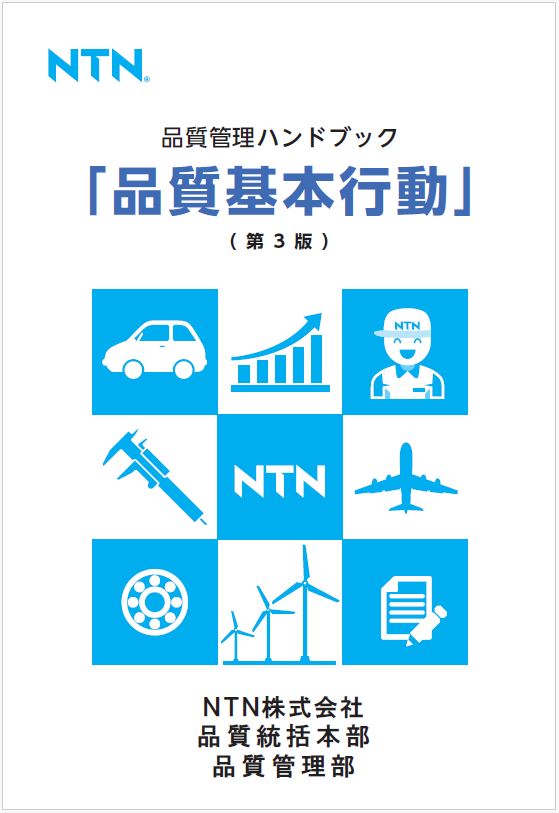

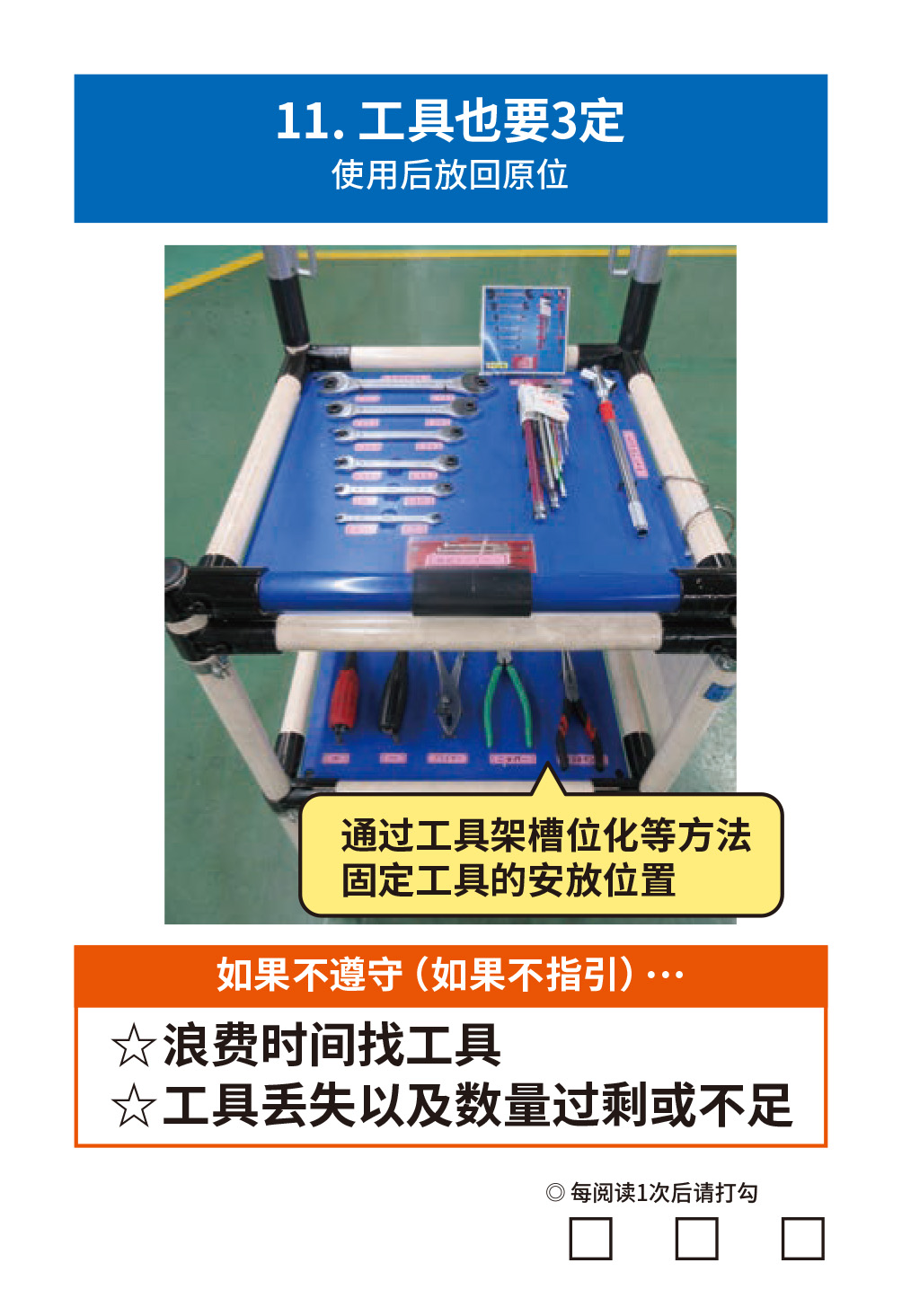
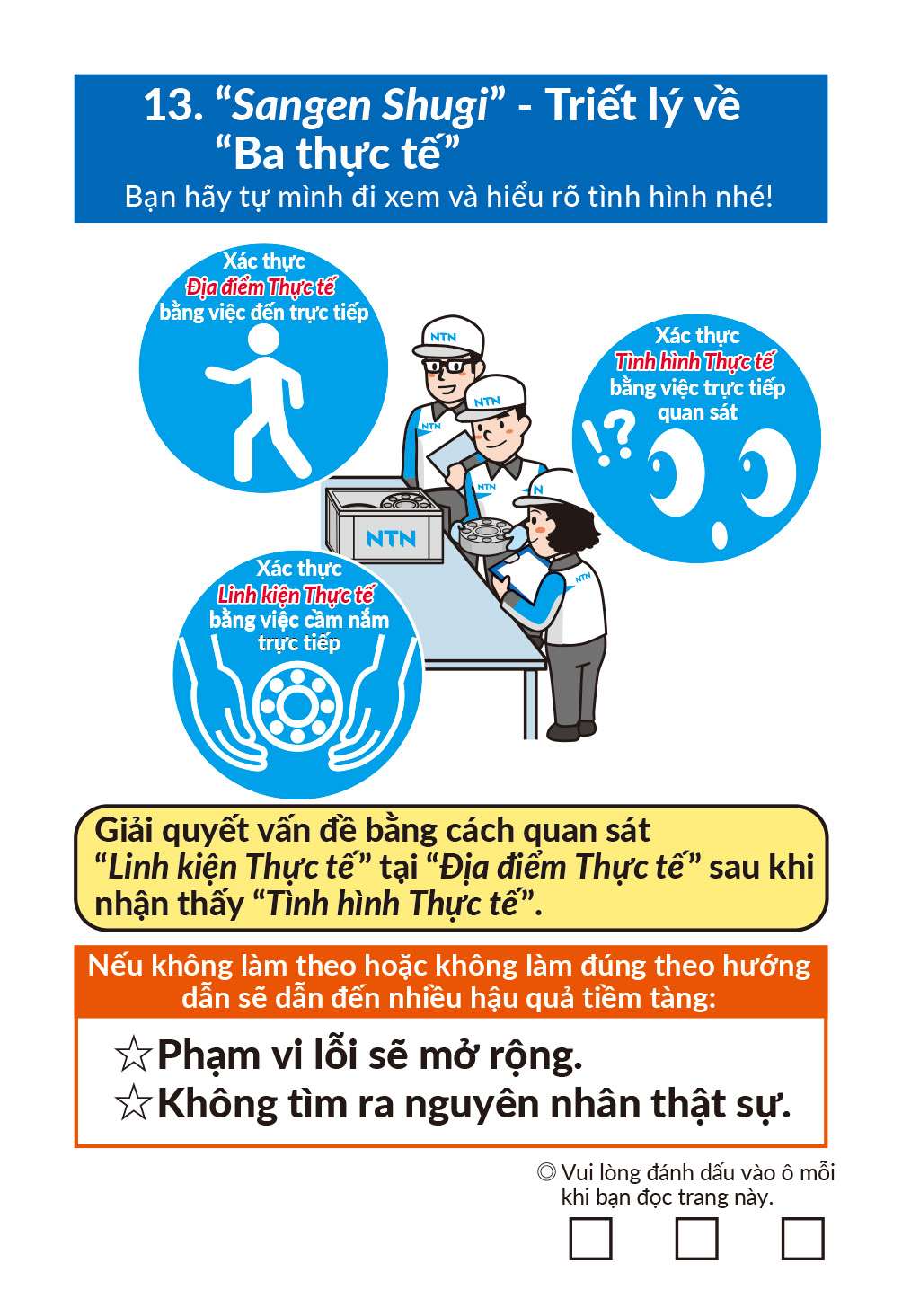
<English> <Chinese> <Vietnamese>
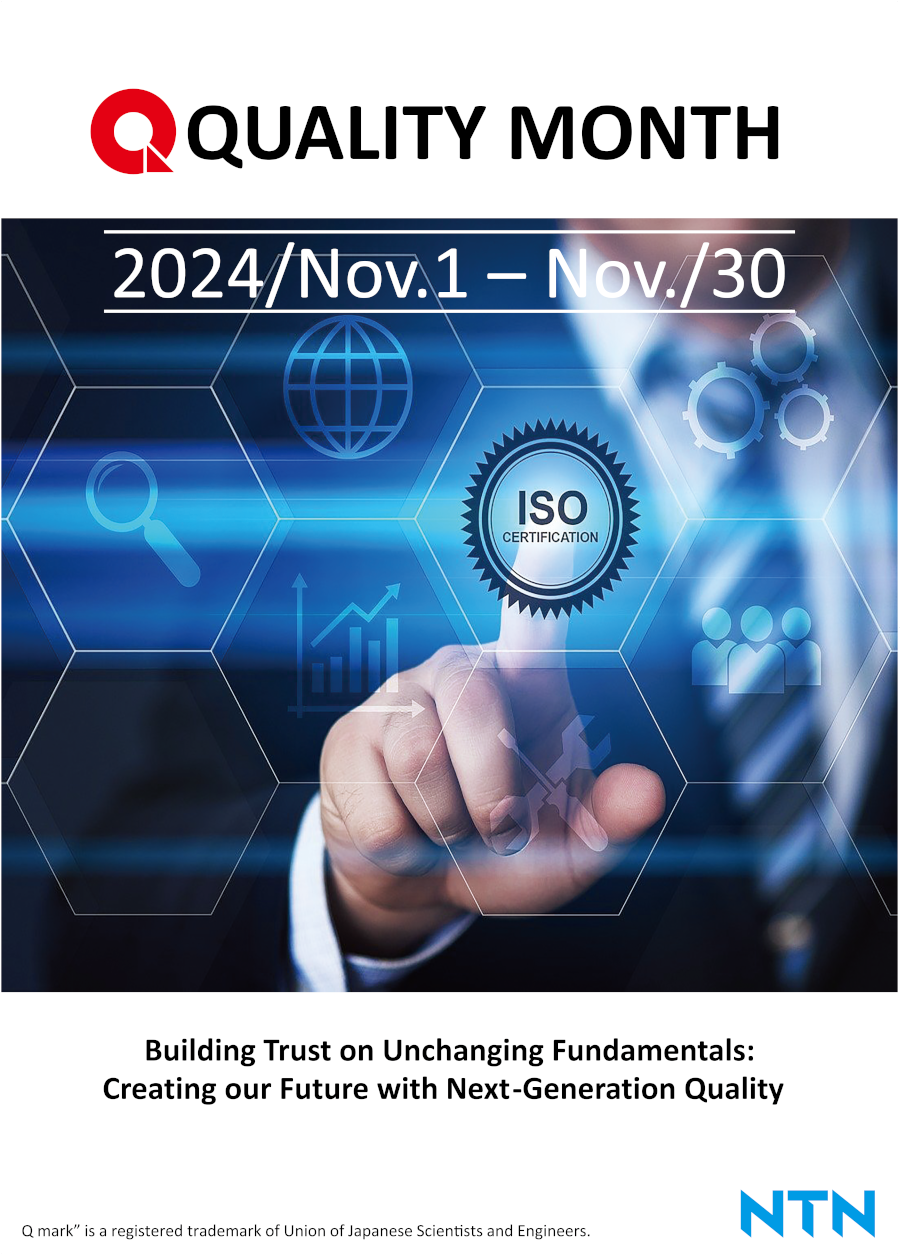
Quality Month
To further promote quality awareness among all employees, we carry out various activities every November during “Quality Month.” FY2024 theme was “Building Trust on Unchanging Fundamentals: Creating our Future with Next-Generation Quality.” Under this theme, we revisited the fundamentals of quality and reaffirmed what it means to deliver quality that meets customer expectations. We also took this opportunity to foster individual growth and create a workplace where mutual trust can flourish. In order to further strengthen customer trust, we identified the key actions each person should maintain or improve, and, while promoting targeted initiatives in each department, continued our efforts to improve quality globally.
As part of these activities, a customer satisfaction survey is conducted, providing an opportunity to hear directly from customers about their satisfaction levels and any requests they may have. In the FY2024 survey, we received responses from 111 companies. The percentage of responses rating the overall evaluation as “Excellent” or “Good” was 92%. We will make improvements based on customer feedback and continue to provide quality that meets customer needs, aiming to further enhance customer satisfaction.
■Quality Month poster
Overall supply chain optimization and achieving stable supply through SAP
We optimize the overall supply chain from material procurement to production and logistics, in our pursuit of ensuring stable supplies to customers and responding flexibly to changes in the market and economic conditions.
We utilize our IT core system (SAP) to forecast future demand and confirm inventory information in real time, and increase or decrease production capacity flexibly corresponding to production load, which allow us to adjust supply and demand in advance.
To achieve even more stable supply of our products, we are also working on expanding our immediate delivery system of standard products’ inventory for the aftermarket (FIRST) and external procurement also.